The Intergovernmental Authority on Development (IGAD) has renewed calls for coordinated action to tackle plastic pollution, highlighting its Regional Plastic Pollution Prevention Strategy and Implementation Plan (2026–2035) as a framework to guide member states in addressing growing environmental, health and climate challenges associated with plastic waste.
According to the strategy, global plastic production has increased from 2 million metric tons in 1950 to 414 million metric tons in 2023 and is projected to reach 736 million metric tons by 2030.
While plastics play a critical role in the global economy, IGAD notes that "plastic products are widely used in packaging, agriculture, and health sectors, and support the livelihoods of poor communities, especially women and youth".
More To Read
- Experts urge early warning investments to avert climate disasters in Horn of Africa
- IGAD urges immediate ceasefire in Sudan's El Obeid region amid escalating violence and drone attacks
- IGAD urges stronger refugee protection as millions displaced amid shrinking aid
- IGAD condemns Somaliland Jerusalem embassy, stresses respect for Somalia’s sovereignty
- Probiotics: How to make kimchi at home for a natural body cleanse
- African leaders urged to protect oceans as fish stocks decline, pollution grows
The document adds that the plastics processing industry "is estimated to employ about nine million people worldwide."
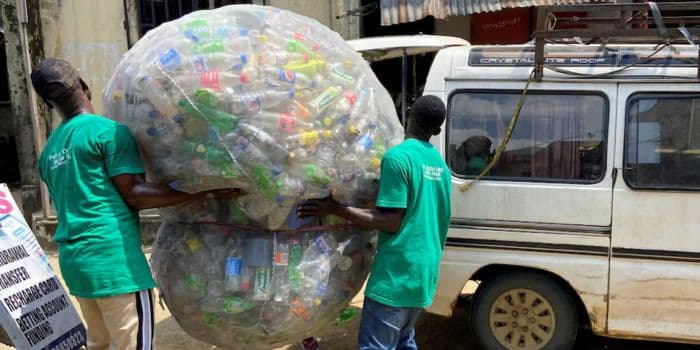
IGAD notes that the increasing production and poor management of plastic waste continue to pose significant environmental and health challenges.
The framework notes that about two-thirds of all plastic products are single-use items that are discarded immediately after use, while plastic production and incineration generate about 400 million tons of carbon dioxide annually. It adds that between 5 million and 13 million tons of plastic enter the world's oceans every year, causing an estimated US$8 billion in damage to the marine environment.
Latest Stories
- Kenya reaffirms ties with Rwanda as it marks Liberation Day celebrations
- Morocco continue historic rise with record-breaking World Cup victory against Canada
- Serena Williams withdraws from Wimbledon doubles after knee injury, ending Venus reunion plans
- Report records 83 harassment incidents against Christians in Israel over three months
The document also highlights growing public health concerns, stating that "Plastic products break down into microplastics (<5 mm) and nanoplastics (<1 mm), which have been identified in the water we drink, the air we breathe, and the food we eat". It further notes that the particles have been found in the human digestive tract, lungs, blood and placenta and "have been linked to diseases such as cancer."
According to IGAD, Africa produces about 17 million tons of plastic annually, representing about 5 per cent of global production, but continues to experience significant plastic pollution due to poor waste management and the widespread use of single-use plastics.
An inventory of chemicals and plastic pollutants conducted in Djibouti, Kenya, Somalia and Sudan found that plastic pollution was a major problem across the four coastal IGAD member states.
The assessment found plastics accounted for more than 70 per cent of waste along the coastline on average and recommended the development of a regional strategy and action plan based on a Circular Economy Model.
The regional bloc is also encouraging member states to domesticate the framework through national strategies and action plans to reduce plastic pollution and safeguard the environment for future generations.